
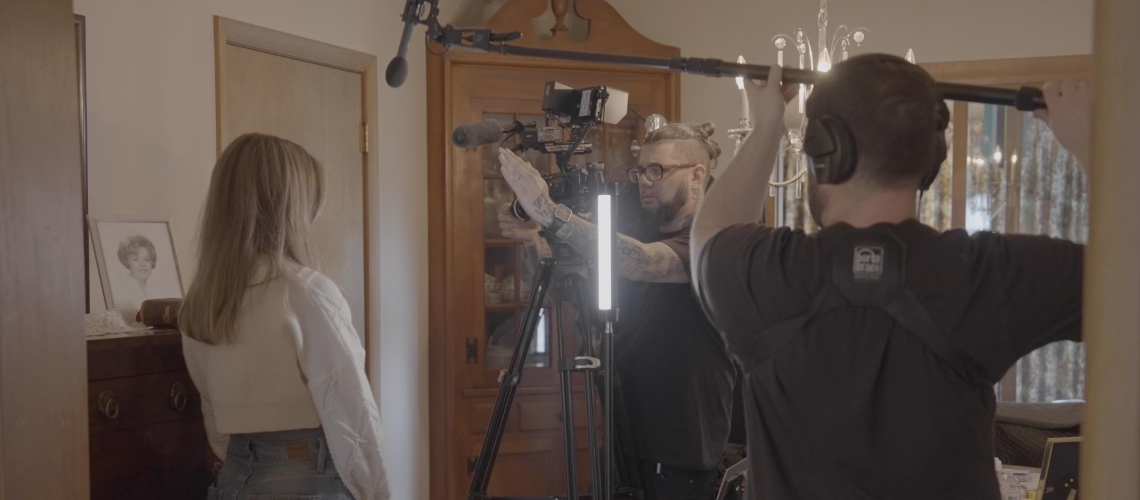
Producing local films starts with three concrete moves: find the local crew and job boards, learn the funding and rebate landscape in your area, and commit to cinematography rather than casual video. This article is published by JGI Media, which works in visual storytelling, so the guidance comes from a practitioner’s perspective rather than an outside observer.
What is the difference between just shooting video and real cinematography?
Video captures a record of what happened; cinematography makes deliberate choices about light, lens, framing, movement, and color to serve a story. The distinction matters most at the local level, where “we have a camera” is common but visual storytelling craft is what gets a project noticed. According to Stage 32, producing your own film projects requires planning the visual approach before the shoot day. Local producers should evaluate their own work by intent behind each shot, not by gear. Visual storytelling is the through-line that separates a project that travels to festivals, grants, and reels from one that stays on a hard drive.
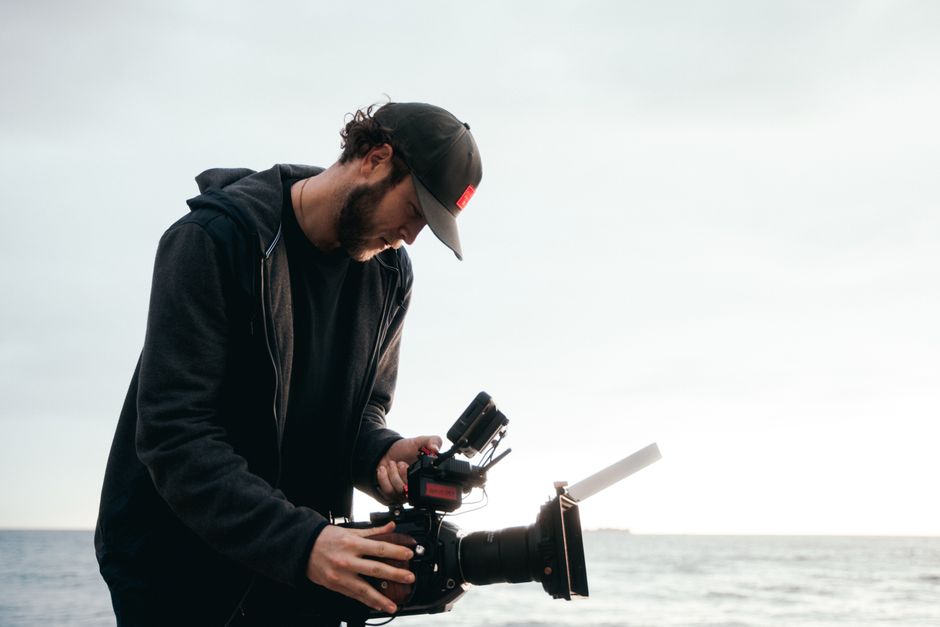
How do I find local film projects and crews near me?
Job and crew boards list active roles by city and region, including editor, videographer, and camera operator positions posted within hours. FilmLocal lists production jobs such as a Video Editor role at Disney in Charlotte, NC, posted one hour before the page was captured. Cast and crew lists, job posting, and equipment or location rentals are the practical starting infrastructure for a local producer. Regional film offices maintain talent and resource directories that connect producers to vetted local crew, according to the San Jose Film Office. Community film organizations like the Community Film Project run ongoing projects that new producers can join rather than starting from zero.
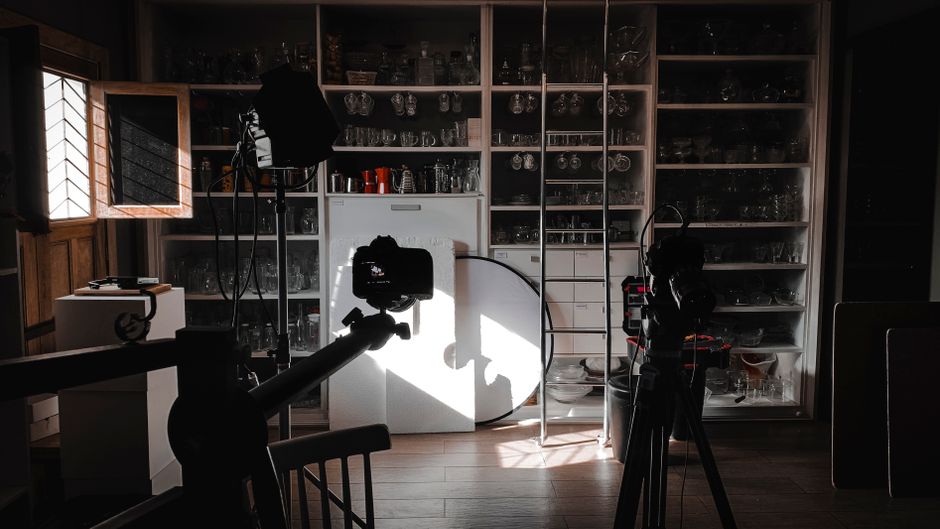
How do I get onto a local filmmaker’s set if I have no credits?
The realistic entry points are crew calls, student and community projects, and unpaid or low-paid production assistant roles. Responding fast matters because listings can be hours old before they are filled. FilmLocal shows roles posted within one to three hours, which means speed is a real factor. Local film offices and community project groups are the most reliable non-industry on-ramps, according to the San Jose Film Office and Quora discussions. Producers should treat early set days as paid education in how a real production actually runs.
How does local film funding and tax rebate work in the US?
State-level incentive programs can return a meaningful percentage of direct in-state spending to producers. One documented example is North Carolina, which offers a 25% rebate of direct in-state spending through the North Carolina Film and Entertainment Grant, with a recurring annual starting pool of $31 million per fiscal year and an effectively uncapped structure, according to the Economic Development Partnership of North Carolina. North Carolina reports over $1.2 billion in direct in-state film spend since 2021 and more than 3,700 film professionals statewide. Purpose-built stage space, including column-free stages serving major studios and streamers, signals where local production capacity is real.
Are there structured programs that help new producers make their first short film?
Yes. Fellowship-style programs select a small cohort of filmmakers each year and take them from pitch through a finished short. Project Involve, run by Film Independent, has operated for 30 years, selects around 30 filmmakers annually, and has fostered more than 1,000 careers. The production calendar is fixed: development and team formation early in the year, pre-production in spring, principal photography in June, and post through October. Participants apply to a single track: writing, directing, producing, cinematography, editing, programming, animation, or an executive track. Alumni and mentors include directors behind major studio and streaming releases.
What should a first-time local producer actually do first?
Start with a short, finishable project rather than a feature because completion teaches more than development. Build the crew from local boards and directories before locking a shoot date. Budget against real local incentives and confirm eligibility before spending. Treat every project as a cinematography exercise, not just coverage, and plan the look before the shoot day. JGI Media approaches local production through visual storytelling, and its work at jgimedia.com reflects that same craft-first standard for producers building their first projects.
Is FilmLocal legit for finding local film work?
FilmLocal is a filmmaking marketplace offering cast and crew lists, job posting, rentals for costumes, locations, and props, and project promotion for producers. It offers a free production company account, which lowers the barrier for new producers. Listings are time-sensitive and span roles from editor to camera operator to actor/facilitator across multiple countries. Independent verification is limited because the site’s own pages and forum discussion are the main available evidence, so cross-check listings before committing.
What do the 2.5 rule and the 5 C’s of filmmaking actually mean?
These terms circulate widely in filmmaking discussion but are not defined in the available sources, so the article should say so rather than invent a definition. Readers searching these phrases are usually looking for shortcuts to professional-looking results. The honest answer is that no shorthand rule replaces deliberate cinematography decisions. Point readers toward concrete craft fundamentals: lighting, framing, movement, and story intent, instead of unverified formulas.
Key Takeaways
- Producing local films begins with finding local crew and job listings, not with buying equipment.
- Cinematography differs from video because every shot choice is made to serve a story.
- State film incentives can rebate a substantial share of direct in-state spending to local producers.
- North Carolina reports over $1.2 billion in direct in-state film spend since 2021 and more than 3,700 film professionals.
- Fellowship programs take selected filmmakers from pitch to finished short film in a single calendar year.
- FilmLocal offers free production company accounts and lists cast, crew, jobs, and rentals in one place.
- The “2.5 rule” and “5 C’s of filmmaking” are not defined in the available sources and should not be presented as fact.
References
- FilmLocal | All Of Your Filmmaking Needs, One Site — date unknown
- How do I find local film projects? : r/Filmmakers — date unknown
- Film Industry in North Carolina — date unknown
- Project Involve — date unknown
- LOCAL TALENT / RESOURCES — date unknown
- 7 Tips for Producing Your Own Film Projects — date unknown
- Community Film Project — date unknown
- How do I get on sets that local filmmakers are working on? — date unknown
Leave a Reply