
A table lamp in the background can change the feeling of an entire shot. It adds warmth, gives the eye somewhere to travel and makes the room feel lived in. In cinematography, that visible light source is called a practical light.
For businesses planning video production in Albany, NY, practical lighting offers a useful way to make interviews and brand stories feel intentional and inviting. Here is how it works, using a behind-the-scenes photo from JGI Media.
What is practical lighting in film and video?
Practical lighting means using light sources that appear within the camera frame: table lamps, floor lamps, wall sconces, hanging fixtures, illuminated signs or candles. These lights belong to the environment the audience sees.
A practical can actually illuminate the subject, add a glow to the background or simply establish where the light seems to come from. It does not need to provide all the illumination in the shot to serve a purpose.
Behind the scenes: a lamp and a separate soft light
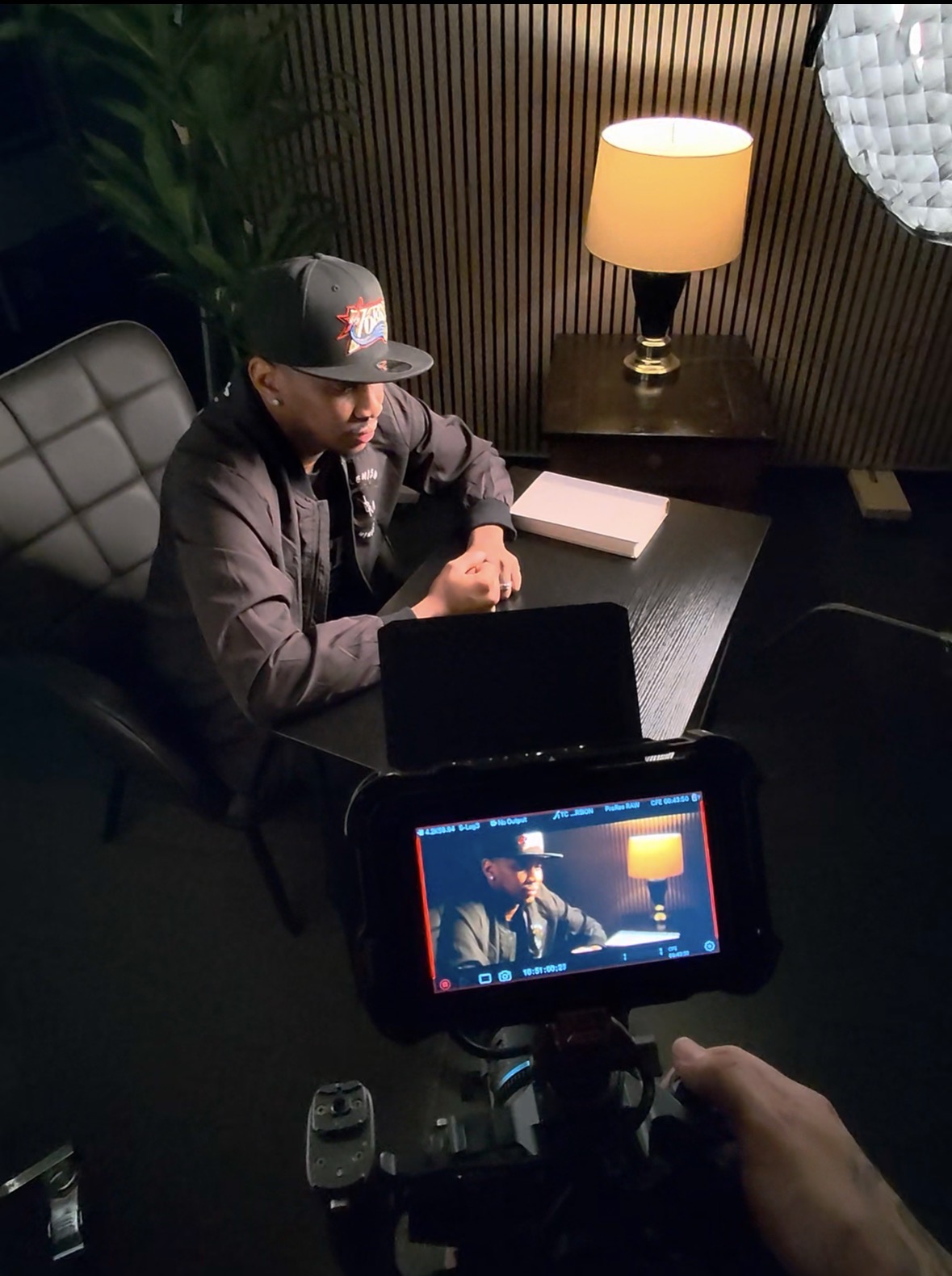
In this photo, the table lamp is part of the scene. Its warm shade creates a bright point against the darker wall and adds visual interest behind the seated subject. The camera monitor shows how that element fits into the recorded composition.
A softbox is also visible at the upper right of the behind-the-scenes photo. This demonstrates an important distinction: the practical lamp and the production light have different jobs. The lamp gives the setting character; the separate light provides control over how the subject appears on camera.
That combination can create motivated lighting—lighting that feels as though it comes from a believable source in the scene. The production light can reinforce that impression through its direction, color and intensity.
Why practical lights make a shot feel more cinematic
Depth: A lit background element creates another layer beyond the subject. That helps the frame feel dimensional, especially when the rest of the room is darker.
Mood: A warm lamp can suggest a relaxed, intimate setting. A cooler fixture or colored sign can create a different atmosphere. The choice should support the story and the brand.
Believability: Viewers see a light source that belongs in the space. Thoughtful lighting around it helps the scene feel coherent.
How to balance practical lights on camera
Start by choosing a fixture that suits the location and placing it with the camera composition in mind. It should add to the frame without competing with the speaker’s face.
Next, balance brightness. A lamp that looks comfortable to the eye may record as a distracting white patch. Adjusting a compatible dimmer, changing the bulb or repositioning the fixture can help preserve detail in the shade.
Color matters, too. The practical and the main light do not always need to match. A warm lamp behind a more neutral subject can create pleasing contrast, provided skin tones remain natural.
Finally, record a test clip. Some bulbs and dimmers introduce flicker at particular camera settings. Check the footage before recording the full interview, and replace or adjust the source if needed.
Practical lighting for Albany business videos
This approach can suit an office interview, a founder’s story, a customer testimonial or a documentary scene. The goal is to make the setting support the message. One carefully placed lamp can be more useful than a background filled with distracting objects.
JGI Media provides video production services in Albany, NY. Whether your project needs a welcoming interview setting or a more dramatic visual style, lighting should be planned alongside the location, framing and story.
Common questions about practical lighting
Can you light an interview with only a table lamp?
Sometimes, but it depends on the lamp’s output, placement and the desired look. A separate key light usually offers more control over exposure and facial shadows.
Is practical lighting the same as natural lighting?
No. Practical lighting refers to sources visible in the shot. Natural lighting generally refers to daylight. A scene can use both.
Does every video need practical lights?
No. They are useful when they fit the scene. A clean studio background or a daylight location may call for a different approach.
Planning a video in Albany or the Capital Region? Contact JGI Media to discuss your story, location and the look you want to create.
Leave a Reply