
The best outfit for a business video looks like you, fits your role, and stays comfortable throughout the shoot. You do not need to dress more formally than your customers expect. You need clothing that works with the background, lighting, and microphone.
For business interviews and company videos in Albany, decide on wardrobe with the production team before shoot day. A quick photo of your proposed outfit can resolve questions before you arrive.
Dress for the message and audience
A leadership interview, hands-on demonstration, and casual staff introduction may call for different clothing. Match the outfit to the work viewers will see and the impression you want to create.
If several employees appear, aim for a consistent level of formality without making everyone wear identical clothes. Company uniforms may be appropriate when they reflect the actual customer experience.
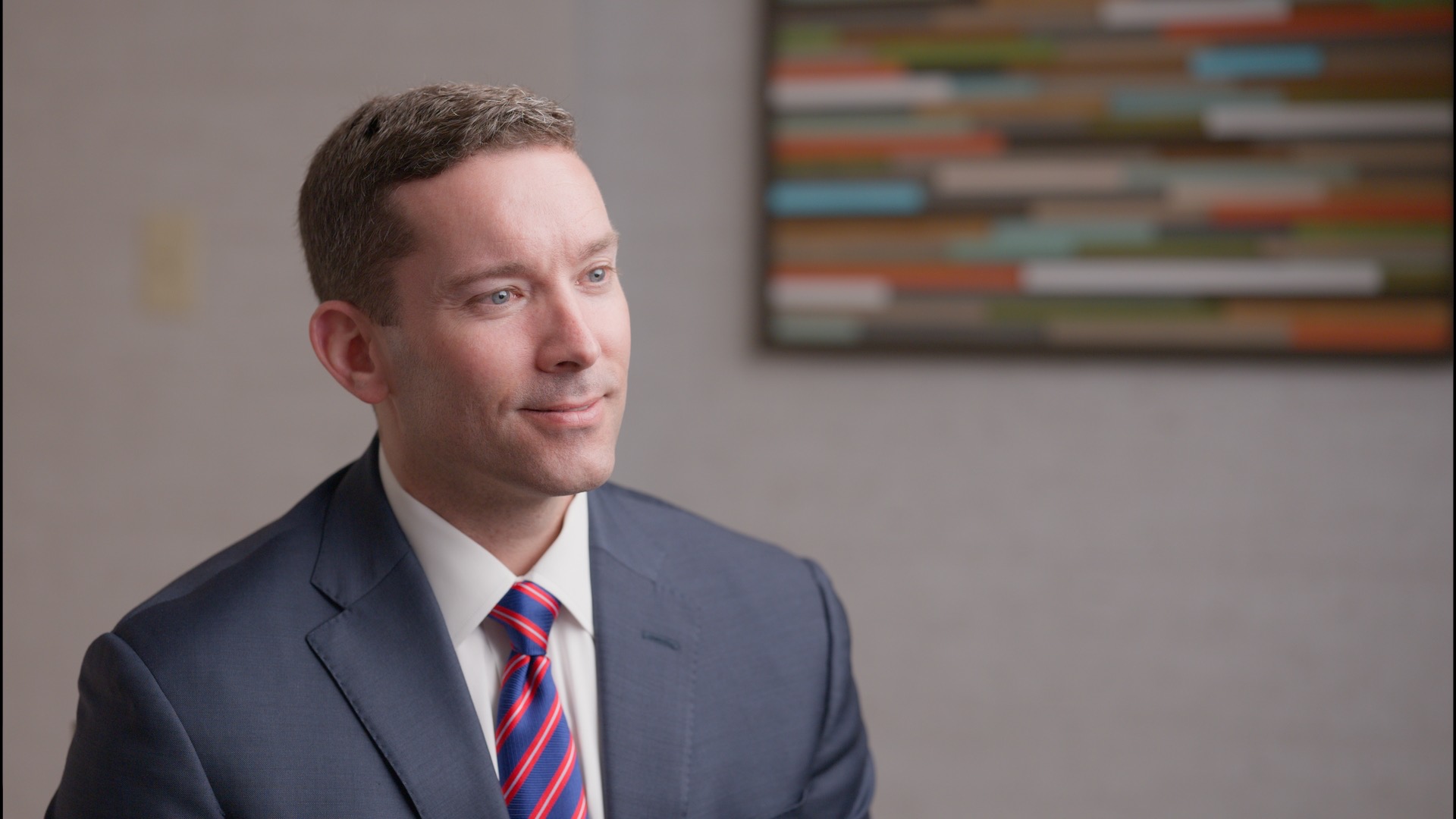
Start with solid colors and background contrast
Solid colors are often easier to work with than small, high-contrast patterns. Choose a color that helps separate you from the planned background. A dark outfit against a dark wall can lose definition, while similar clothing and background colors may blend together.
There is no universal banned color. White shirts and black jackets can be filmed successfully with appropriate lighting and exposure. Ask the crew about your specific setup instead of relying on rigid rules.
Be careful with fine patterns and distracting details
Tight stripes, small checks, and fine repeating textures can produce moiré or distracting visual patterns on camera. The result depends on the fabric, camera, framing, and final display, so a camera test is more useful than guessing.
Large graphics or unrelated logos can draw attention away from your face and message. Check buttons, collars, lapels, and fit while sitting as well as standing.
Choose microphone-friendly clothing
A lavalier microphone may need a stable attachment point and a discreet place for its cable or transmitter. Jackets, collars, and many shirt styles can provide options, but the crew should assess the outfit.
Avoid necklaces, scarves, or loose fabric that repeatedly rub against the microphone. Do not attach or hide the microphone yourself unless instructed. A short sound check helps catch clothing noise before the interview.
Check comfort, grooming, and movement
Try the outfit in the position you will use on camera. Make sure sleeves, waistbands, and collars remain comfortable when seated. Empty bulky pockets and check for lint, pet hair, wrinkles, and loose threads.
Bring a small grooming kit and any items you need for touch-ups. Glasses can create reflections depending on the lights and camera angle; tell the crew you wear them so the setup can account for them.
Bring a backup outfit
Pack one alternative top or jacket in a different suitable color. A backup helps if the first choice blends into the background, creates a pattern problem, or becomes stained during travel.
Keep clothes protected and hang them when possible. If you need several looks, confirm the order of filming and allow time for wardrobe changes. Changing clothes can affect microphone placement and continuity.
What about green-screen filming?
Avoid clothing that matches the color being keyed out. On a green screen, green garments or accessories can disappear along with the background. Confirm the actual screen color with the crew because not every chroma-key setup uses green.
Transparent materials, reflective details, and fine edges may also need testing. Discuss unusual wardrobe choices before filming so the team can assess them with the intended lighting.
Wardrobe packing checklist
- Your chosen outfit and one alternative top or jacket.
- Lint roller and appropriate grooming supplies.
- Comfortable shoes if they will appear in the shot.
- A quick outfit photo to discuss with your production team.
Prepare for your JGI Media shoot
Wardrobe is one part of a comfortable, organized production. Explore business video production at JGI Media and contact our Albany team to discuss your setting, message, and on-camera preparation.
Leave a Reply