
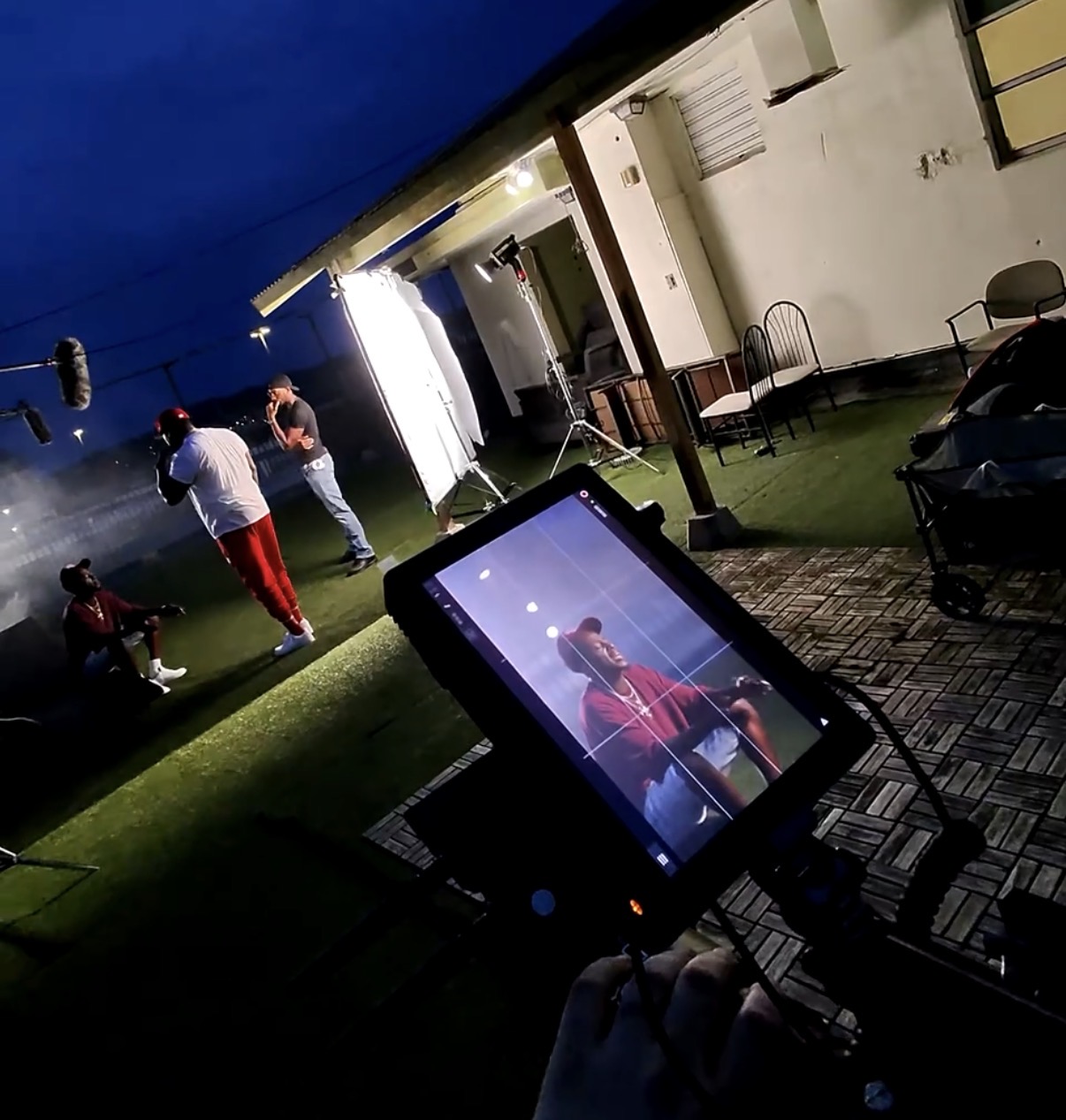
A storyboard is a sequential visual plan of a film: a graphic organizer of simple illustrations or images that pre-visualizes each shot before anyone rolls camera. Storyboarding matters because it forces the entire production to be organized on paper first. That process clarifies the narrative vision, exposes problems while they are still cheap to fix, and aligns cast, crew, and budget before the shoot day arrives, according to Cinecreatis.
What is a storyboard, and where did it come from?
A storyboard is a graphic organizer of simple illustrations or images displayed in sequence to pre-visualize a motion picture, animation, motion graphic, or interactive media sequence, according to Wikipedia. The modern storyboarding process was developed at Walt Disney Productions during the early 1930s, with the first complete storyboards created for the 1933 short Three Little Pigs. Animator Webb Smith is credited with the idea of drawing scenes on separate sheets of paper and pinning them to a bulletin board to tell a story in order. Disney later created a dedicated story department of specialized storyboard artists. Effects pioneer Georges Méliès was among the first filmmakers to use storyboards and pre-production art to plan effects.

Why does planning a film on paper beat planning it on set?
Planning a film on paper beats planning it on set because storyboarding provides a preview of each scene, showing actor positions, camera movements, and transitions before the shoot begins, according to Cinecreatis. The process clarifies the narrative vision across the whole team, optimizes resources, and anticipates potential problems in advance. Storyboarding also saves time and money specifically when working with a team or renting a location or set, as noted in Storyboarding 101: Every FILMMAKER should learn this!. It reduces costly downtime by optimizing the order of takes and helps schedule scenes around actor and location availability.

What order should you follow — script, shot list, or storyboard first?
The first step in pre-production is not storyboarding. The correct order is to prepare a rough script, then build a shot list, then storyboard, according to Storyboarding 101: Every FILMMAKER should learn this!. The primary goal of storyboarding is to figure out camera placement and framing; everything else is secondary. Storyboarding sequentially helps maintain narrative flow from shot to shot. Storyboards can also map the lighting setup, including a top-down view of the space, which helps the crew understand where lights and stands will go before anyone arrives on location.
Do you need to be able to draw to storyboard a film?
No, you do not need to be an expert in drawing to storyboard a film. Stick figures and rough boxes communicate the plan clearly, according to Storyboarding 101: Every FILMMAKER should learn this!. Storyboarding is simply the process of drawing the actual scene before filming it. Sample storyboard formats span film, comic book, photography, short film with script, TV commercial, animation, music video, and manga, according to StudioBinder. Tools like StudioBinder import a script in any format or let you write one inside the tool, then automatically generate storyboards for each scene.
How does a storyboard keep a production organized?
Storyboards keep a production organized because they can be grouped by location, shoot days, or status, turning the board into a scheduling document, according to StudioBinder. On jgimedia.com, JGI Media covers how planning tools and pre-production workflows fit together for film teams, with the storyboard sitting at the center of that organization. Storyflow, an AI canvas for directors, producers, and indie crews, lets teams plan scripts, shot lists, storyboards, moodboards, beat sheets, and shooting schedules side by side in the browser with no download required. Storyflow can generate a shot list from an existing storyboard, including shot, angle, lens, movement, and setup, and offers view-only share links so producers, clients, and the DP can review without signing up.
How have famous directors used storyboards to solve hard problems?
Alfred Hitchcock’s storyboard for the Psycho shower scene planned camera angles and editing to create maximum tension, according to Cinecreatis. Directors of animated and superhero films use extremely detailed storyboards to manage complex visual effects and action sequences. In Christopher Nolan’s Inception, the storyboard orchestrated dream sequences and transitions between dream levels. These examples show storyboarding as risk management: the hardest sequences get solved on paper first, before expensive sets, actors, and crews are committed to a direction that might not work.
What tools and templates make storyboard planning easier in 2026?
Storyflow draws from over 200 built-in templates and runs entirely in the browser with no download required, according to Storyflow. StudioBinder exports storyboard PDFs with customizable layouts, colors, paddings, headers, covers, watermarks, and passwords, according to StudioBinder. Milanote offers an inbuilt library of over 3 million images and a Web Clipper extension that saves images and videos straight to boards without downloading them, as noted in Storyboarding 101: Every FILMMAKER should learn this!. Storyflow lists Red Bull, Canon, Artlist, and Porsche among brands whose creatives got early access.
Key Takeaways
- A storyboard is a sequential graphic organizer of images used to pre-visualize a film before shooting.
- The modern storyboarding process was developed at Walt Disney Productions in the early 1930s, with the first complete boards made for Three Little Pigs in 1933.
- The correct pre-production order is rough script, then shot list, then storyboard, not storyboard first.
- Storyboarding’s primary purpose is deciding camera placement and framing.
- Storyboarding saves time and money when working with a team or renting a location or set.
- Storyboards can be grouped by location, shoot day, or status, turning them into an organizational and scheduling tool.
- Hitchcock’s Psycho shower scene and Nolan’s Inception dream sequences were planned through storyboards.
Leave a Reply